Last updated: November 16, 2026
Quick answer: if your portable ice maker makes ice but will not drop it, the most likely fix is the ejector side of the harvest cycle, and the fastest check is a jammed arm or frost buildup. In the Portable Ice Maker Makes Ice but Will Not Drop: Ejector Fixes problem, start with the ejector arm, the microswitch, and the evaporator prongs; if those parts are out of time or iced over, the machine can make ice and still refuse to drop it.
Key takeaways
-
A machine that freezes cubes but will not release them usually has a harvest problem, not a water-supply problem.
-
The first checks are simple: clear frost, look for a jammed ejection arm, and listen for the synchronous motor.
-
If the ice pusher does not move, the microswitch or timing path may be failing.
-
Ice sticking to the evaporator prongs points to too much frost, poor heat transfer, or a harvest cycle that starts too early.
-
Stop at the point where wiring, motor replacement, or sealed-system work enters the picture.
What is stopping the ice from dropping?
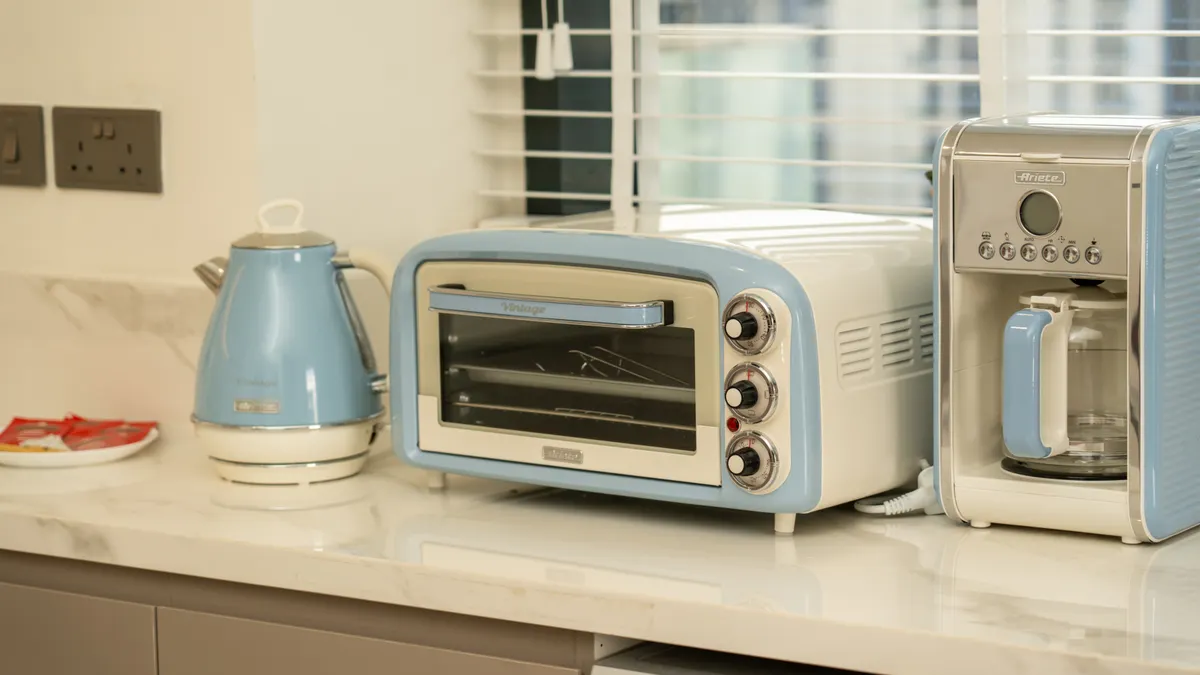
Usually, the ice is not dropping because the harvest parts are not pushing it off the evaporator prongs at the right moment. In a portable ice maker, the ice pusher mechanism has to move with the harvest cycle, and if the synchronous motor, microswitch, or ejection arm is stuck, the cubes stay frozen in place.
That failure can look simple from the outside, but it usually falls into one of three buckets. The machine may be iced up around the evaporator fingers, the ejector may be jammed by a stray cube or bent arm, or the control timing may be wrong so the harvest starts too soon or too late. A generic “clean it and wait” answer misses that the problem is mechanical timing, not just dirt.
One useful clue is what happens after the freezing stage ends. If the compressor pauses and the unit should shift into harvest, but the pusher never moves, the problem is in the ejector path. If the pusher does move but the ice still stays stuck, the prongs may be frozen over or the harvest timing may be off enough that the cubes never release cleanly.
For a broader map of the machine’s failure points, the portable ice maker troubleshooting guide is the right hub page to pair with this one. This page stays focused on the ejector side of the problem.
Which part should I check first?
Therefore, check the ejection arm first, because it is the simplest part that can stop the whole drop cycle. If the arm is bent, blocked, or out of line with the ice tray, the machine can make a full tray and still fail to push the cubes free.
A useful order is: frozen buildup, arm movement, switch action, then motor timing. That sequence saves time because it starts with parts you can see and ends with the parts that usually require a deeper repair. If you go straight to the motor without checking alignment, you can replace the wrong part and keep the same symptom.
How do I fix the ice pusher mechanism?
Because of that, the ice pusher mechanism can often be cleared or re-seated before any part replacement is needed. Start small, because a minor obstruction often looks like a bigger failure from the outside.
-
Unplug the machine and empty the basket. Wait until the machine is fully safe to handle, then remove any loose ice. If a cube is wedged against the pusher, that single block can stop the whole harvest.
-
Look at the ejection arm and move it by hand only if the design allows it. It should not bind or scrape hard. A free-moving arm that still does not cycle points away from a simple jam and toward a control or motor issue.
-
Check the evaporator prongs for frost that looks heavy or uneven. A thin frost is normal during freezing, but a thick white coat can lock the cubes to the surface. If the prongs are buried in frost, the ice has nowhere to release.
-
Inspect the microswitch area for misalignment. If the switch is not being pressed or released at the right point, the machine may never enter the harvest step. A switch that is out of position can make the unit behave as if the tray is still freezing.
-
Listen for the synchronous motor during the harvest point. The motor should advance the cycle in a steady way, not sit silent when the tray should shift. If the motor is not turning, the pusher will not move even if the rest of the machine is fine.
-
Let the unit dry and restart it if frost is the issue. A full dry-out period can clear light icing around the prongs and arm. If the same freeze-up returns after a short run, the issue is probably not just moisture.
-
If the arm still will not move, stop at the control side. That is the point where the fault may be in the timing path, the motor, or a failed switch rather than a visible jam.
The goal is not to force the ice out. It is to restore the harvest motion so the machine can release the cubes on its own. Forcing the pusher can bend the arm or damage the microswitch bracket, which turns a small fix into a larger one.
Could the harvest cycle be the real problem?
Yes, the refrigeration harvest cycle failure is often the real problem when the machine makes ice but will not drop it. In that case, the ice is formed correctly, but the release sequence never starts, starts late, or starts before the cubes are ready to let go.
This matters because the harvest cycle is not just “the ice fell off.” It is a timed change in the machine’s state, and the pusher mechanism depends on that timing. If the cycle is too short, the ice stays frozen to the evaporator prongs. If the cycle is too early, the cubes can stick halfway and jam the ejector. If it never starts, the synchronous motor and microswitch path need attention.
The table below shows the difference between the common failure points.
SymptomLikely causeWhat it looks likeBest next check
Ice freezes, but pusher never movesSynchronous motor or microswitch issueTray stays still when harvest should beginListen for motor movement and inspect switch position
Ice moves partly, then sticksEvaporator prongs iced overCubes cling to the metal fingersCheck for heavy frost and dry the machine out
Arm moves, but cubes do not releaseIce shovel stuck or bentPusher hits resistance or skews sidewaysInspect the ejection arm and tray alignment
Same fault keeps returningHarvest timing problemMachine repeats the same bad cycleStop forcing it and inspect the timing path
A generic cleaning fix misses this whole timing chain. If the cycle is off by even one stage, the machine can look healthy during freezing and still fail at release.
Why is the ice sticking to the evaporator prongs?
Because the evaporator prongs are the last place the ice touches before it drops, ice sticks there when the surface is too cold, too frosted, or not getting the release motion it needs. The cubes are supposed to loosen during harvest, but heavy frost or bad timing can make them grip the metal fingers instead.
The prongs are the last place the ice touches before it drops, so this is where a lot of failures show up. A thin, even frost is normal. A thick crust of white ice is not. That crust changes how the cube releases and can keep the ice glued in place until the machine stalls. If the prongs freeze over in the same pattern every time, the issue is usually not random moisture; it is a repeatable harvest problem.
If the machine is producing smaller or oddly shaped cubes, the ice can also wedge between the prongs and act like a bridge. That turns a release problem into a jam. At that point, the pusher may still be working, but the cubes are too locked together to clear.
When should I stop and get help?
Ultimately, stop when the fix moves beyond visible parts and into electrical timing, motor replacement, or sealed-system work. A portable ice maker with a dead synchronous motor, failed microswitch, or persistent harvest-cycle fault can look simple from the outside, but the repair is no longer a quick adjustment.
There is a practical line here. If you can clear frost, re-seat the arm, and see the machine recover, the problem was likely mechanical. If the arm stays still after those checks, or the same failure returns after drying the unit out, the fault is probably deeper than a jam. At that point, opening the cabinet and chasing internal wiring can create more damage than the original symptom.
This is also the point where the machine is wrong for a do-it-yourself fix. A pusher that will not drop because of a motor or switch fault may need a part replacement or a technician who can test the cycle path properly. The cost of guessing goes up fast if the wrong part gets replaced first.
What not to do when the cube will not drop
Do not pry cubes out with a knife, screwdriver, or hard tool. That can bend the evaporator prongs, crack the ice tray, or throw the ejection arm out of line. Do not force the pusher by hand if it resists, because the resistance is often the clue that something is bound or iced over.
Also, do not keep cycling the machine for hours after it has already shown the same failure. Repeating a bad harvest cycle can pack frost tighter around the prongs and make the jam worse. Do not treat the symptom as a water issue unless the machine also shows a fill problem; if you are unsure, consult a qualified appliance technician and compare the symptom with the model’s service information. A GE Appliances support page, a Whirlpool service manual, and the ASME standards library are useful starting points for component names and repair limits.
For a manufacturer reference on ice-release behavior and component layout, a brand support page or service manual can help if you know the model number. Reliable starting points include GE Appliances and Whirlpool support pages for ice maker troubleshooting, plus the Icemaker Association for general component terminology. For a deeper view of how small motorized mechanisms are timed, the American Society of Mechanical Engineers is a useful standards body to look up by name.
FAQ
Why is my ice sticking to the evaporator rods?
Ice sticks to the evaporator rods when frost, timing, or alignment keeps the cubes from releasing cleanly. A light frost layer is normal, but a heavy white buildup can lock the cubes in place. If the ejection arm and microswitch are not timed right, the machine may never give the ice the push it needs.
How does a portable ice maker release the ice cubes?
A portable ice maker releases the ice cubes by moving through a harvest cycle that shifts the pusher mechanism and lets the cubes fall off the evaporator prongs. The synchronous motor drives that motion, and the microswitch helps time it. If either part fails, the cubes can freeze fully and still stay stuck.
Meanwhile, if the problem keeps repeating after a full dry-out and a basic alignment check, the Portable Ice Maker Makes Ice but Will Not Drop: Ejector Fixes issue is likely past a simple cleaning fix. That is the point to follow the service path for your model.
Drafted with AI; not yet reviewed by a person.