Last updated: November 14, 2026
Key Takeaways
- A countertop ice maker works most reliably in the middle of its rated room-temperature range.
- Hotter rooms usually slow ice production by making heat rejection harder.
- Better airflow can help the machine regain some lost cycle time.
- Morning-versus-afternoon slowdowns often point to room temperature, not a defect.
Quick Answer
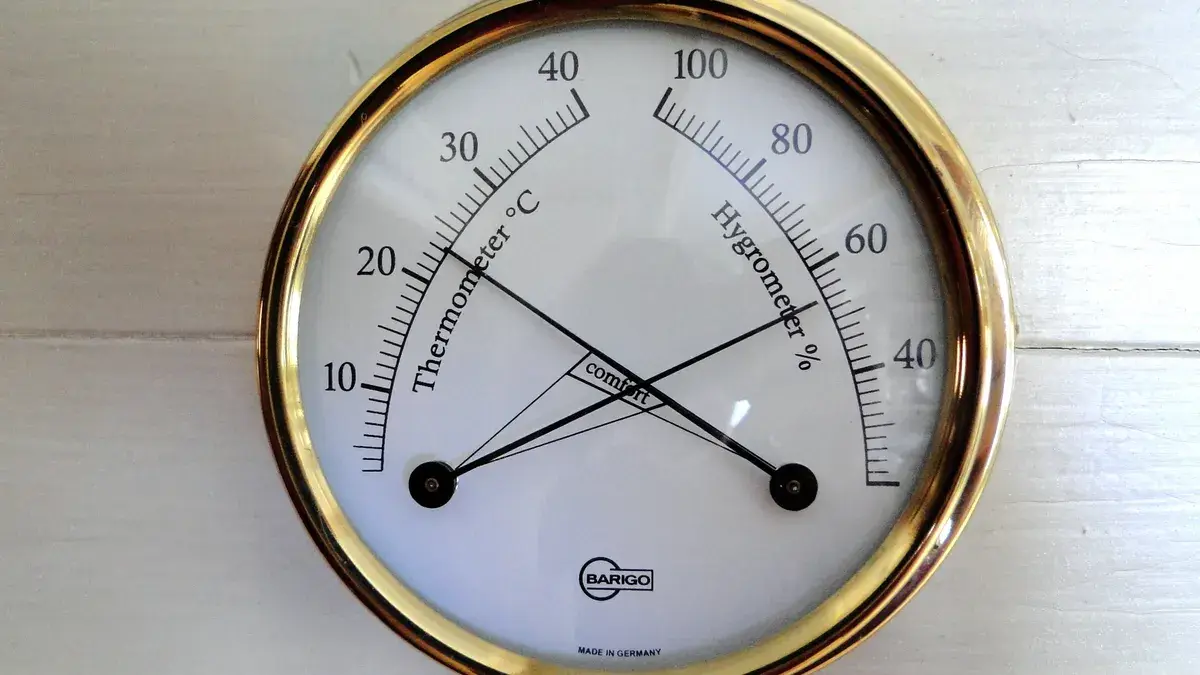
Shortest version: a portable ice maker’s cycle time is usually quickest in a steady room around 65°F to 75°F, and it often drags once the space climbs toward 90°F. This guide shows how How Ambient Room Temperature Affects Portable Ice Maker Cycle Time and how to keep the machine closer to its normal pace.
Portable ice maker cycle time grows longer as the room gets hotter; in a cooler room, it shortens because the machine can shed heat more easily. How Ambient Room Temperature Affects Portable Ice Maker Cycle Time really comes down to how well the unit can dump heat. Below, you’ll see why that happens, which temperature band matters, and how to keep the cycle from wandering. For related setup help, see portable ice maker placement, portable ice maker maintenance, and portable ice maker troubleshooting.
What ambient room temperature does to a portable ice maker
Picture a countertop ice maker sitting next to the stove. Dinner heat rises, the kitchen warms up, and the basket fills more slowly than it did that morning. Normal? Yes. The slowdown comes from condenser heat dissipation, cooling fan exhaust, and the machine’s ambient air thermistor all dealing with hotter air.
Here’s the basic idea: a portable ice maker makes ice by pulling heat out of water, then sending that heat into the room. When the room is warm, the condenser gets less help from the surrounding air, so each freeze-and-harvest cycle takes longer. In a cooler room, the unit reaches thermal equilibrium sooner and resets for the next batch with less fuss.
A few terms matter:
- Condenser heat dissipation: how fast the machine can dump heat into the room.
- Ambient air thermistor: the sensor that reads surrounding air temperature and helps the control board decide how hard to run.
- Cooling fan exhaust: the warm air the machine pushes out the side or back.
- Thermal equilibrium: the point where the machine and room stop fighting each other as hard.
Here’s the twist: hotter air slows more than one part of the process. It can stretch the whole loop — freezing, cube release, and the next fill. A machine that seems fine at 70°F can look sluggish at 90°F. Same box, different weather inside the room.
The room temperature curve, in plain terms
A normal portable ice maker usually behaves in three bands:
- Cooler room: shorter cycle time, faster ice output, less fan strain.
- Middle range room: the most stable cycle time, usually where the machine feels predictable.
- Hot room: longer cycle time, weaker output, warmer cabinet and more frequent pauses.
If the room rises from 65°F to 95°F, the machine does not slow in a neat little line you can shrug off. It usually loses output in steps, especially once the exhaust air starts looping back around the cabinet.
What temperature does a countertop ice maker work best in?
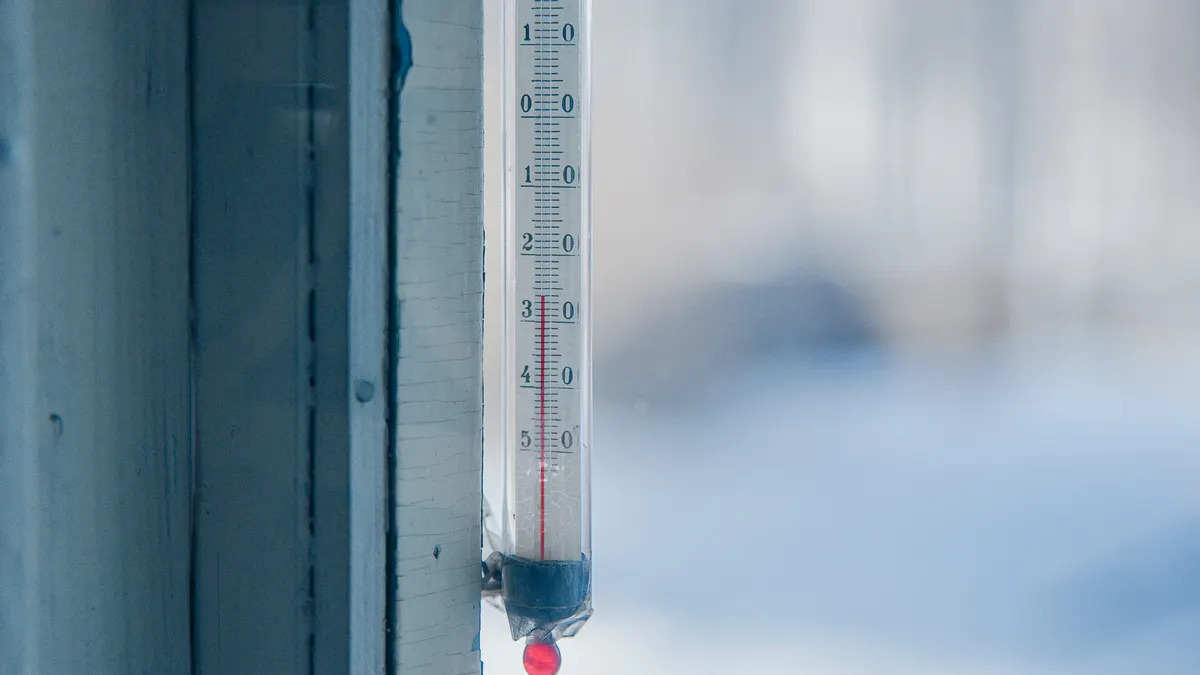
A countertop ice maker works best in a room that stays near the middle of its rated operating range, not in a hot corner, garage, or sunlit kitchen. That middle band is where the unit can move heat out without battling the air around it.
Most manuals for portable ice makers give an operating range instead of one perfect number, and that range matters more than any single house temperature. The GE Appliances and NewAir support pages both stress following the owner’s manual and leaving space for ventilation; see GE Appliances support and NewAir support for model-specific guidance.
The best-fit room has three traits:
- Air can move behind and around the machine.
- The exhaust does not blow into a wall or into another hot appliance.
- The ambient temperature stays steady for hours, not minutes.
That last part matters more than people think. A room that swings from 68°F to 82°F over the day will usually create more cycle drift than a room that holds one stable temperature, even if both sit inside the official operating range. The sensor can only react to what the air is doing right now.
A common mistake is treating a portable ice maker like a sealed appliance, but the safe move is to follow the manual and, if the setup is unusual, consult a qualified appliance technician or the manufacturer. It is not sealed. It needs open air the way a small compressor fridge does. Put it too close to a backsplash or another hot machine, and the warm exhaust gets pulled right back in. Then the next cycle starts from behind.
Do this instead:
- Keep the back and sides open enough for airflow.
- Place the unit away from ovens, dishwashers, and direct sun.
- Watch for exhaust that feels hot to the hand after one or two cycles.
- Move the machine before the cycle slows enough to notice.
How hot rooms change cycle time and ice output
A hot room stretches cycle time because the machine has to remove more heat from both the water and the cabinet itself. That slows the freeze, delays the harvest, and can cut the number of batches the unit finishes in an hour.
The change shows up in a few ways. First, the first batch may take longer than expected. Second, later batches can slow even more as the machine warms up and never gets a full break. Third, the ice basket may look less full because the unit spends more time cooling than making cubes.
This is where people get tripped up: they blame the ice maker’s “speed” when the real culprit is room heat. A portable unit that is fine in a 72°F kitchen may look underpowered in a 90°F laundry room. Same machine. Different air. Different result.
What gets worse as the room heats up
- Longer freeze time: water takes more time to reach the point where cubes release.
- Slower harvest: the machine waits longer before the tray flips or releases cubes.
- Reduced daily output: fewer cycles fit into the same span of hours.
- More fan noise: the fan often runs harder to push out the extra heat.
- Warmer cabinet feel: the unit may feel hotter to the touch around the vents.
Cycle time is only half the story. Hot rooms can also make the ice softer or wetter at harvest if the machine is fighting to hold a stable freeze. That does not mean the unit is broken. It means the room is asking more of it than the design likes. The math stops working fast.
If you need the machine to keep up in a warm space, fix the environment first and the hardware second. Lower the room temperature if you can. If not, improve airflow and reduce nearby heat sources before assuming the appliance needs service.
How to keep cycle time from drifting in warm rooms
You can usually win back some lost cycle time by improving airflow and giving the machine a fair chance to dump heat. The point is not to make a hot room cold; the point is to stop the unit from recycling its own exhaust.
Follow these steps in order:
- Move the machine out of direct sun and away from ovens, dryers, and dishwasher vents. A shift of even a few feet can stop heat from piling onto the cabinet.
- Leave open space around the intake and exhaust sides. If the manual gives a clearance number, use it. If it does not, do not press the unit against a wall or cabinet door.
- Check that the fan exhaust has a clear path. Warm air should leave the machine and spread into the room, not hit a backsplash and bounce back.
- Keep the room at a steadier temperature during peak use. A closed door and lower room load at the same time can help the machine hold its cycle pattern.
- Watch the first two cycles after a room heats up. If the cycle time lengthens noticeably, the machine is telling you the ambient air is now the bottleneck.
A small setup change can do more than people expect. Shift the machine from a cramped counter nook into a more open spot, and condenser heat dissipation may improve without touching the ice maker itself. Honestly, that is cheaper than replacing a machine that is only struggling because it cannot breathe.
The best part is that you do not need to guess whether the room is the issue. If the unit speeds up after better airflow and slows down when the kitchen heats up again, the pattern is clear.
When room temperature is the real problem, not the machine
Room temperature is the real problem when the machine starts slowly, gets slower through the day, and improves again when the space cools down. That pattern points to the ambient thermal operating range, not a bad pump or a broken ice tray.
This matters because a generic troubleshooting list can send you down the wrong path. If the machine sits in a room that pushes past its comfort zone, cleaning the bin or resetting the unit may not do much. The room is the load. The appliance is just reacting to it.
A few signs point to ambient heat:
- The machine makes better ice in the morning than in the afternoon.
- Cycle time worsens after the oven, stove, or laundry machine runs.
- The exhaust air feels hot and stays hot.
- The side vents seem to recycle warm air from the same corner.
On the flip side, not every slowdown is ambient temperature. If the unit slows down in a cool room too, the cause may be unrelated. Since this article is about temperature, not water quality or service faults, that is where the line stops. For water-related issues, the hub on water quality for portable ice makers is the better next stop.
The operating range you should respect
Portable ice makers are built for an ambient air band, not a random garage, porch, or sun-baked apartment corner. If the room runs outside that band, the cycle time can drift enough that the machine feels unreliable even when nothing is mechanically wrong. The UL Standards and manufacturer guidance are built around safe operating conditions; see UL Solutions for general appliance-safety context.
So, the phrase optimal operating temp ice maker should be read as “the temperature where the machine can breathe and dump heat well,” not “the single perfect number for every model.” Different units react differently, but all of them depend on the same basic physics.
Why vent clearance matters as much as the thermostat
Vent clearance matters because hot exhaust trapped near the machine behaves like a room that is hotter than the thermostat says. The sensor can only read the nearby air, and if that air keeps warming up, the next cycle starts at a disadvantage.
Think of the cabinet as a small heat pump with a fan. If the fan exhaust points into a wall, the machine is pushing warm air into a dead end. That recycled heat raises the local ambient temperature around the condenser, which slows heat rejection and lengthens the cycle.
Here are the common clearance mistakes that cost time:
- Pushing the back of the unit flush against a wall.
- Blocking the side vents with canisters, mugs, or decor.
- Placing the machine under a shelf that traps exhaust.
- Setting it next to another appliance that throws heat.
The fix is boring, but it works. Give the machine open air, then let it run long enough to stabilize. Once it reaches thermal equilibrium in a fair setup, the cycle time usually settles into a more usable pattern.
What this means for hot kitchens, garages, and outdoor use
A hot kitchen can still work if the machine has room to breathe, but a garage or outdoor setup is far less forgiving. The hotter and less stable the air, the more the cycle time swings.
This is where the reader needs a hard line. If the room is regularly hotter than the unit’s stated range, the machine is not being used in the conditions it was built for. That does not just slow ice production. It can also make the fan run hard for long stretches, which is rough on the whole cooling system.
Use these rules of thumb:
- Hot kitchen: possible, if airflow is open and heat sources are far away.
- Garage: risky, because temperature swings are often larger than in a house.
- Outdoor heat: poor fit unless the manufacturer says it is allowed.
- Covered patio: still a poor bet if heat and exhaust get trapped.
If the machine is being used outside, the question is not just “Can it run?” The better question is “Can it dump heat fast enough to keep the cycle from crawling?” In many warm outdoor settings, the answer is no.
How do I read the machine’s slowdown correctly?
You read the slowdown correctly by looking for a pattern across several cycles, not one bad batch. If the room warms up and the cycle gets longer in step with it, ambient temperature is the likely cause.
That pattern usually looks like this: the first cycle is acceptable, the second is slower, and later cycles drag more if the room stays warm. If the machine recovers after the room cools or after you improve airflow, that is another clue. The ambient air thermistor is doing its job; it is telling the control board that the machine has more heat to shed.
A few questions help separate room heat from a deeper issue:
- Did the slowdown start after the room got warmer?
- Is the exhaust air hotter than usual?
- Is the machine boxed in by walls or other appliances?
- Does the cycle improve at a cooler time of day?
If the answer to most of those is yes, the room is the first thing to fix. If the answer is no and the slowdown happens in a cool, open space too, then the problem likely sits elsewhere and belongs on a different troubleshooting page.
What to do before you blame the ice maker
Start with the room, not the repair bill. Move the machine, open the airflow path, and give it a steadier ambient temperature for a few cycles.
If that brings the cycle time back in line, you found the cause. If it does not, the machine may have a different issue, but that is outside this temperature guide.
Can you use a portable ice maker outside in the heat?
Usually not well. A portable ice maker outside in hot air can lose cycle time fast because the condenser cannot shed heat efficiently, and the exhaust can recirculate around the cabinet. If the manufacturer does not allow that setup, consult the manual or a qualified technician before treating it as acceptable.
What temperature does a countertop ice maker work best in?
A countertop ice maker works best in the middle of its stated ambient range, in a room with steady air and clear vent space. The exact sweet spot depends on the model, but the strongest performance usually comes from avoiding hot corners, direct sun, and trapped exhaust air.
For the reader who wants the shortest answer: keep the room cooler, keep the vents open, and keep the exhaust from circling back. That is the cleanest way to protect cycle time without guessing at the machine’s internals.
Drafted with AI; not yet reviewed by a person.